
Building code compliance is a constant cross-check in the AEC world. Historically, it meant manual research through code books, jurisdiction-specific PDF downloads, and hard-won expertise about how local amendments differ from the base code.
UpCodes improved that significantly. Searchable, filterable, locally amended — a real upgrade over PDFs. But code search is one step in the compliance workflow, not the workflow itself.
What Codes.IQ Is
Codes.IQ, part of InQI's IQ Agents, is a context-aware compliance engine. It doesn't just surface code text — it applies code to your specific project conditions.
Enter your project address, share the relevant design parameters, and Codes.IQ:
- Pulls the zoning class and relevant building code for that jurisdiction
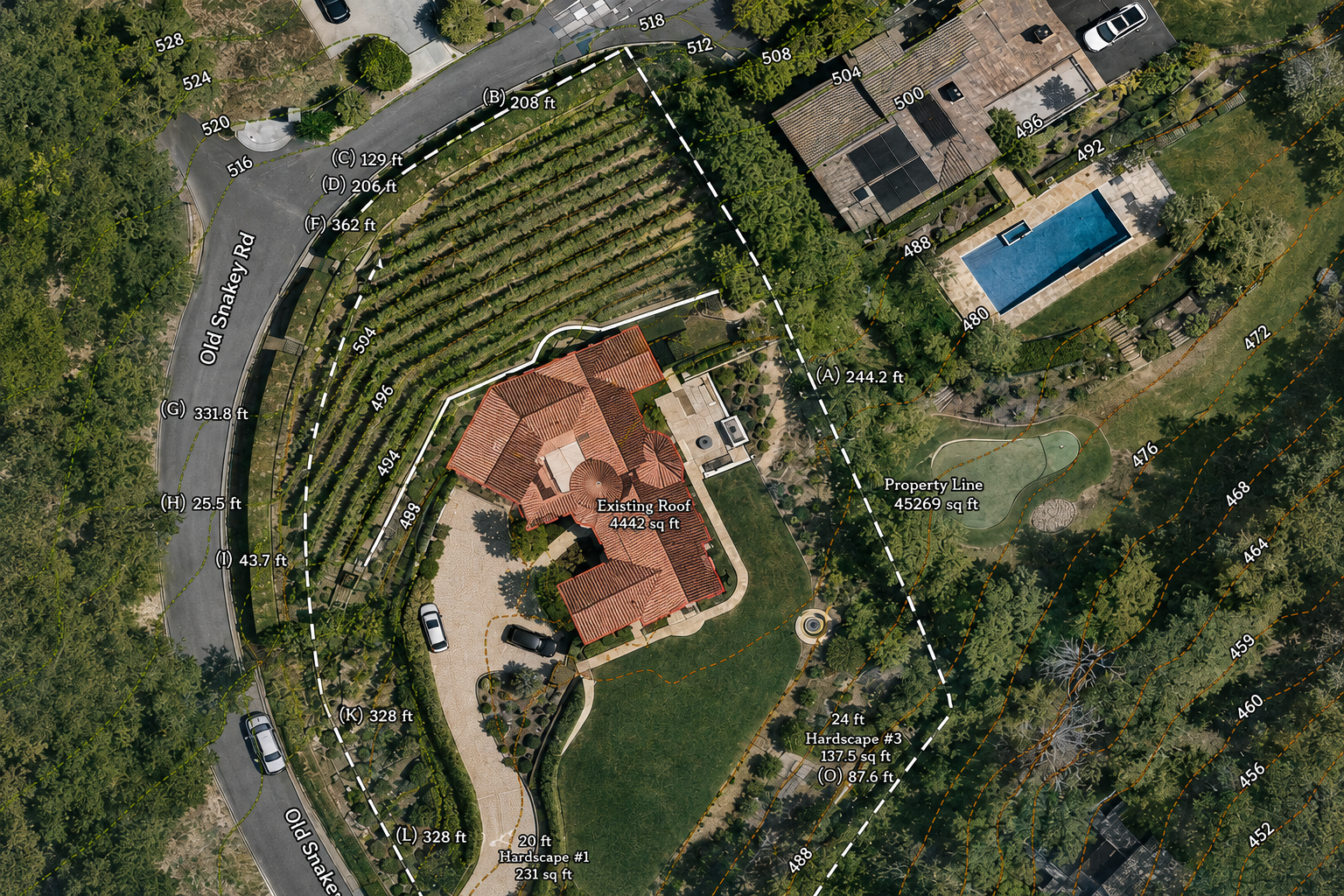
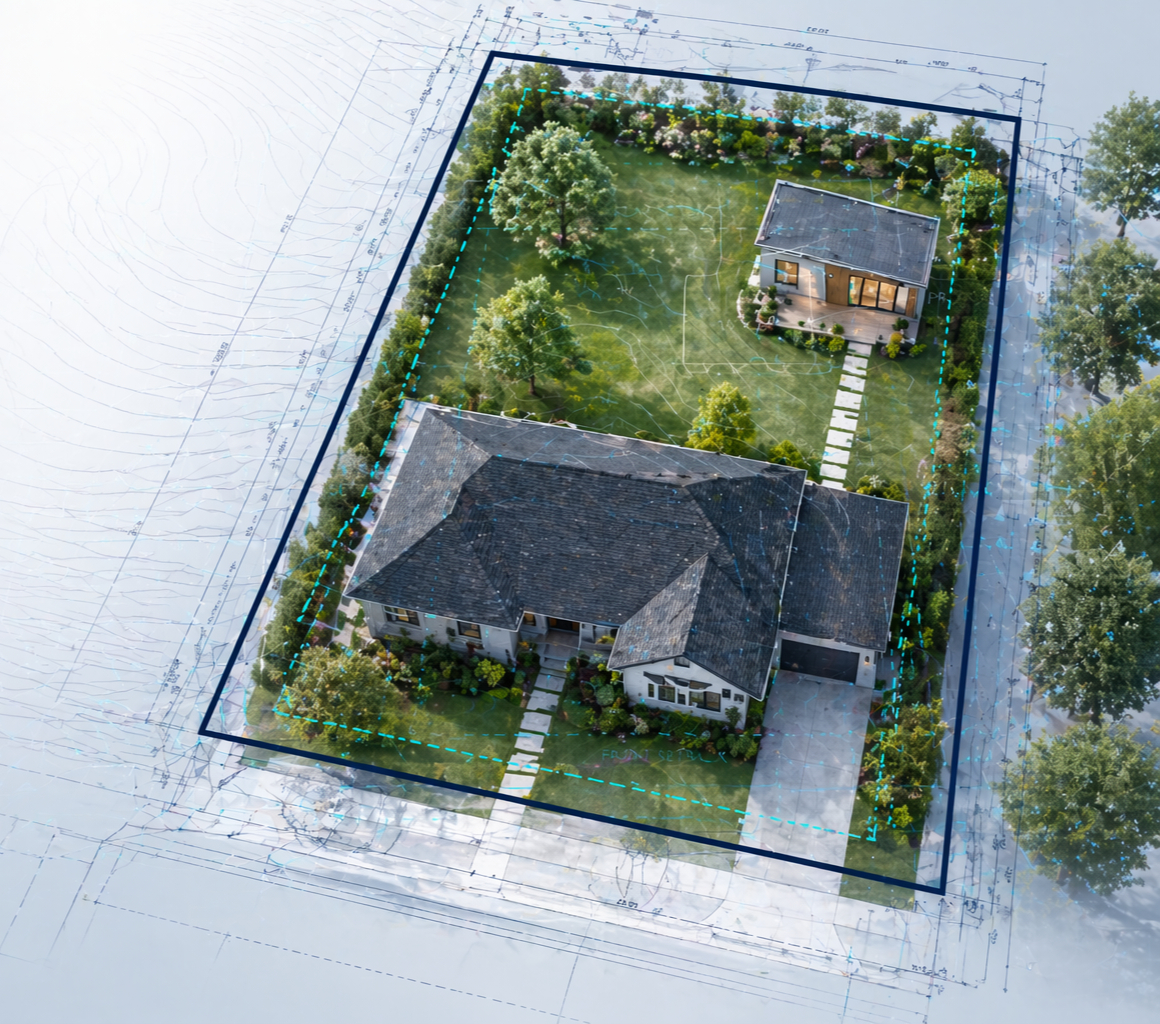
- Extracts key project attributes (setbacks, coverage, height, occupancy, construction type)
- Applies the correct code sections to what it finds
- Flags issues in the context of your design with specific references
- Suggests compliant alternatives where conflicts exist
- Generates compliance documentation ready for permit submission
UpCodes: Useful for What It Does
UpCodes solves the problem of code accessibility. You can search the California Building Code with local amendments filtered in. You can find a specific section without downloading multiple PDFs. That's genuinely valuable.
What UpCodes requires: you know which code section to look for, you interpret how it applies to your project, you verify against local amendments, and you translate the finding into a design recommendation. That's still manual.
UpCodes tells you what the code says. Codes.IQ tells you what the code means for your project.
IQ Agents handle the research. You handle the project.
Sign up for freeWhy Context Changes Everything
A setback rule in isolation is text. A setback rule applied to a specific parcel — with actual lot dimensions, an Assessor's Parcel Number (APN), a known zoning class, a proposed structure footprint, and a specific jurisdiction's amendments — is a compliance check.
Codes.IQ performs the check, not just the lookup. It knows the parcel. It knows the design parameters. It knows which jurisdiction's amendments apply. The output isn't a code section — it's a compliance determination.
Feature Comparison
| Feature | Codes.IQ | UpCodes | Manual Research |
|---|---|---|---|
| Context-aware (address + project) | Yes | No | No |
| Automatically applies code to design | Yes | No | No |
| Checks zoning + building + fire + energy | Yes | Partial | Depends |
| Flags issues with specific references | Yes | No | No |
| Suggests compliant alternatives | Yes | No | No |
| Inspector-ready compliance outputs | Yes | Partial | No |
| Requires manual interpretation | No | Yes | Yes |
How Codes.IQ Reduces Risk and Cost
The expensive compliance error is the one that surfaces during plan review — after the design is largely complete, after client approval, after weeks of production work. Fixing it at that point requires redesign, updated drawings, re-approval from the client, and potentially re-submission to the building department.
Catching the same issue in the design phase — before any of that investment is made — costs a conversation and a design tweak.
Codes.IQ is designed to surface compliance issues at the design stage, so the team is working on compliant designs from the start rather than compliant-izing designs after the fact.