Harnessing Orchestrated & Collaborative AI Agents to Optimize Site Plans in Project Management
- Jan 5
- 4 min read
Artificial intelligence is transforming how projects are planned and executed. One of the most promising advances is the use of orchestrated AI agents working together to improve site plans. These AI agents collaborate by sharing information, solving problems, and making decisions faster and more accurately than humans alone. This blog post explores how orchestrated AI agents function, how project details can be shared effectively, and how integration with tools like Codes.IQ and Estimate.IQ enhances project outcomes. Real-world examples will show the practical benefits of this approach.
What Are Orchestrated & Collaborative AI Agents and Their Roles?
Orchestrated AI agents are multiple specialized AI systems designed to work together on complex tasks. Instead of a single AI handling everything, each agent focuses on a specific role or function. The orchestration layer manages communication and coordination between these agents to ensure smooth collaboration.
Key Roles of AI Agents in Site Planning
Data Collector Agents gather project data such as site measurements, environmental conditions, and regulatory requirements.
Analysis Agents process this data to identify constraints, risks, and opportunities.
Design Agents generate site layouts and plans based on analysis results.
Validation Agents check compliance with codes, standards, and project goals.
Optimization Agents suggest improvements to reduce costs, time, or environmental impact.
By dividing responsibilities, orchestrated AI agents can handle complex site planning tasks more efficiently and accurately than a single AI or human team.
Sharing Project Details Through Project Binder
Effective collaboration depends on clear, accessible information. Project Binder acts as a centralized digital repository where all project details are stored and organized. This includes site data, design documents, regulations, and communication logs.
How Project Binder Supports AI Collaboration
Centralized Access: All AI agents retrieve and update information from one source, reducing errors and duplication.
Structured Data: Project details are stored in standardized formats, making it easier for different AI agents to interpret and use the data.
Version Control: Changes to site plans or requirements are tracked, so agents always work with the latest information.
Real-Time Updates: Agents can share findings or suggestions instantly, speeding up decision-making.
This shared knowledge base allows AI agents to work in sync, improving the quality and speed of site plan development.
Enhancing Problem-Solving with Codes.IQ and Estimate.IQ
Two powerful AI tools, Codes.IQ and Estimate.IQ, integrate seamlessly with orchestrated agents to boost problem-solving capabilities.
Codes.IQ: Ensuring Compliance and Safety
Codes.IQ specializes in interpreting building codes, zoning laws, and safety regulations. It helps AI agents by:
Automatically checking site plans against relevant codes.
Highlighting potential violations or risks.
Suggesting design adjustments to meet legal requirements.
This reduces costly rework and ensures projects meet all necessary standards from the start.
Estimate.IQ: Accurate Cost and Time Predictions
Estimate.IQ focuses on project estimation, providing:
Detailed cost breakdowns based on site plans and materials.
Time estimates for construction phases.
Risk assessments related to budget and schedule.
By integrating Estimate.IQ, AI agents can optimize site plans not only for design but also for budget and timeline, helping project managers make informed decisions.

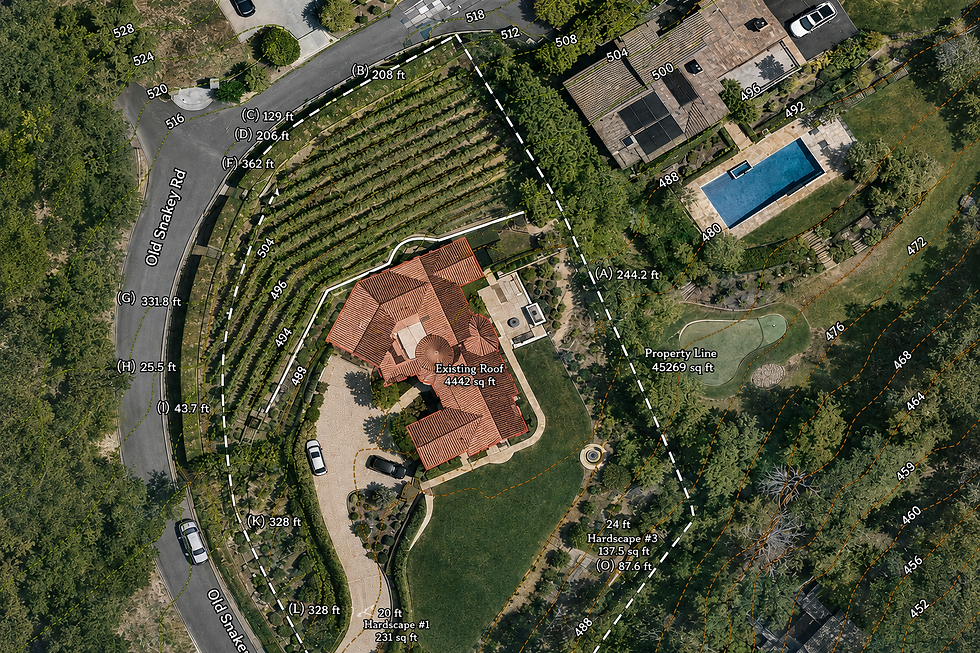
Digital site plan visualization combining maps and project data for AI analysis
Real-World Applications and Benefits of AI Agent Collaboration
Several industries already use orchestrated AI agents to improve site planning with impressive results.
Construction Industry
A large construction firm used orchestrated AI agents to plan a new urban development. Data collector agents gathered environmental and zoning data, while design agents created multiple layout options. Codes.IQ ensured compliance, and Estimate.IQ provided cost estimates. The result was a site plan that reduced construction time by 15% and cut costs by 10%, while meeting all safety standards.
Renewable Energy Projects
In wind farm development, AI agents coordinated to analyze terrain, wind patterns, and environmental impact. The orchestrated system optimized turbine placement to maximize energy output and minimize ecological disruption. This approach shortened planning phases and improved project sustainability.
Infrastructure Planning
City planners used orchestrated AI agents to design road networks and public spaces. The agents shared data through Project Binder, allowing real-time updates and collaboration. Integration with Codes.IQ helped meet regulatory requirements, and Estimate.IQ kept budgets on track. The project finished ahead of schedule with fewer design errors.
Why Orchestrated AI Agents Matter for Project Management
Orchestrated AI agents bring several advantages to site planning and project management:
Faster Decision-Making: Agents analyze data and generate options quickly.
Improved Accuracy: Automated checks reduce human errors.
Better Collaboration: Shared project details keep everyone aligned.
Cost and Time Savings: Optimized plans reduce waste and delays.
Scalability: Systems can handle larger, more complex projects.
For project managers, this means more control, clearer insights, and smoother workflows.
Harnessing orchestrated AI agents transforms site planning from a slow, error-prone process into a dynamic, data-driven collaboration. By sharing project details through Project Binder and integrating tools like Codes.IQ and Estimate.IQ, teams can create smarter, safer, and more cost-effective site plans. As AI technology continues to evolve, these collaborative systems will become essential for managing complex projects efficiently.