
Accessory dwelling units are one of the fastest-growing housing categories in the US — but ADU laws by state (and by county) vary more than almost any other building type. What's allowed in Los Angeles may be prohibited two counties over.
Why ADU Laws Vary So Much
Zoning authority sits primarily at the local level in the US. States can override local rules — California, Oregon, and Washington have done this aggressively — but in most states, cities and counties set their own ADU standards independently.
The result: a patchwork where the same ADU design might sail through permitting in Austin, get blocked by HOA rules in a suburban Dallas county, and require a full variance process in a Florida municipality.
California — The Most Permissive ADU State
California has passed more ADU legislation than any other state. Key provisions currently in effect:
- Owner-occupancy requirements largely eliminated (SB 9, SB 684 follow-ons)
- Minimum lot size cannot be used as a de facto ADU ban
- Impact fees waived for ADUs under 750 sf
- Maximum ADU size: generally 1,200 sf, or 50% of primary dwelling, whichever is larger
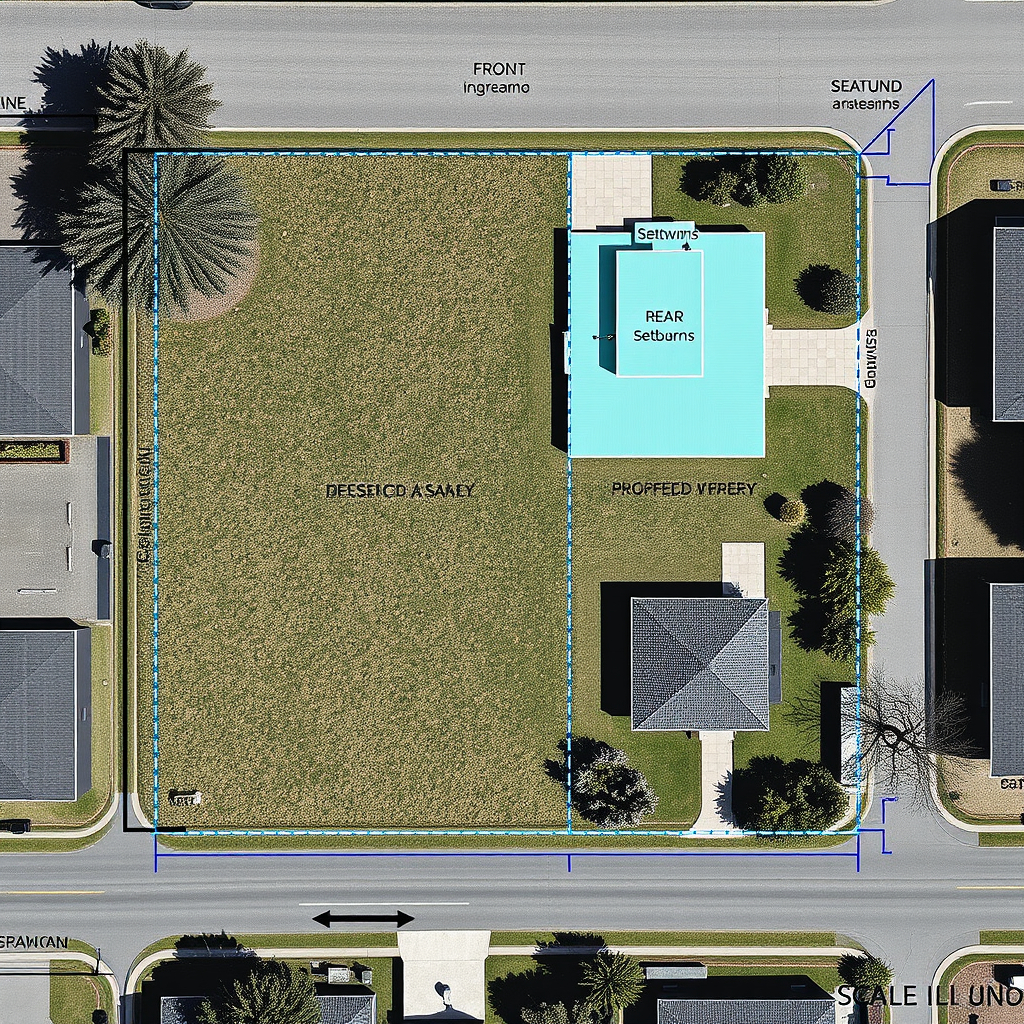
- Setbacks: 4-foot side and rear setbacks apply to most ADUs
- Cities must act on ADU applications within 60 days
What still matters in California: Local design standards, parking rules (waived near transit), HOA rules (HOAs cannot prohibit ADUs but can regulate appearance), and utility connection fees.
Know your property before you hire anyone.
Sign up for freeOregon
Oregon adopted statewide ADU preemption in 2021 for cities over 2,500 residents. Cities cannot prohibit ADUs outright on single-family lots. Parking requirements are waived within half a mile of transit.
Washington
HB 1337 (2023) requires most Washington cities to allow at least two ADUs per single-family lot without imposing owner-occupancy requirements. Implementation varies — check with your city.
Texas
No statewide ADU statute. Rules are entirely local. Austin, Houston, Dallas, and San Antonio each have their own ordinances — with Austin being the most permissive. HOA restrictions apply independently and can be more restrictive than city rules.
Florida
Florida leaves ADU regulation to counties and municipalities. South Florida tends to be more restrictive. Impact fees for ADUs can be significant. Always verify with your specific county building department.
Colorado, Massachusetts, Arizona
Each has passed bills easing ADU restrictions, but implementation varies by municipality. Check your city's zoning code directly.
The Four Variables That Matter Most, Regardless of State
- Maximum size — Typically 800–1,200 sf or a percentage of the primary dwelling
- Setbacks — Commonly 4–5 feet in permissive jurisdictions; some still require 10 feet or more
- Owner-occupancy — California eliminated most requirements in 2020; many other states still require it
- Parking — Ranges from zero (near transit in CA/OR) to one space per ADU bedroom
What You Need Before Applying for an ADU Permit
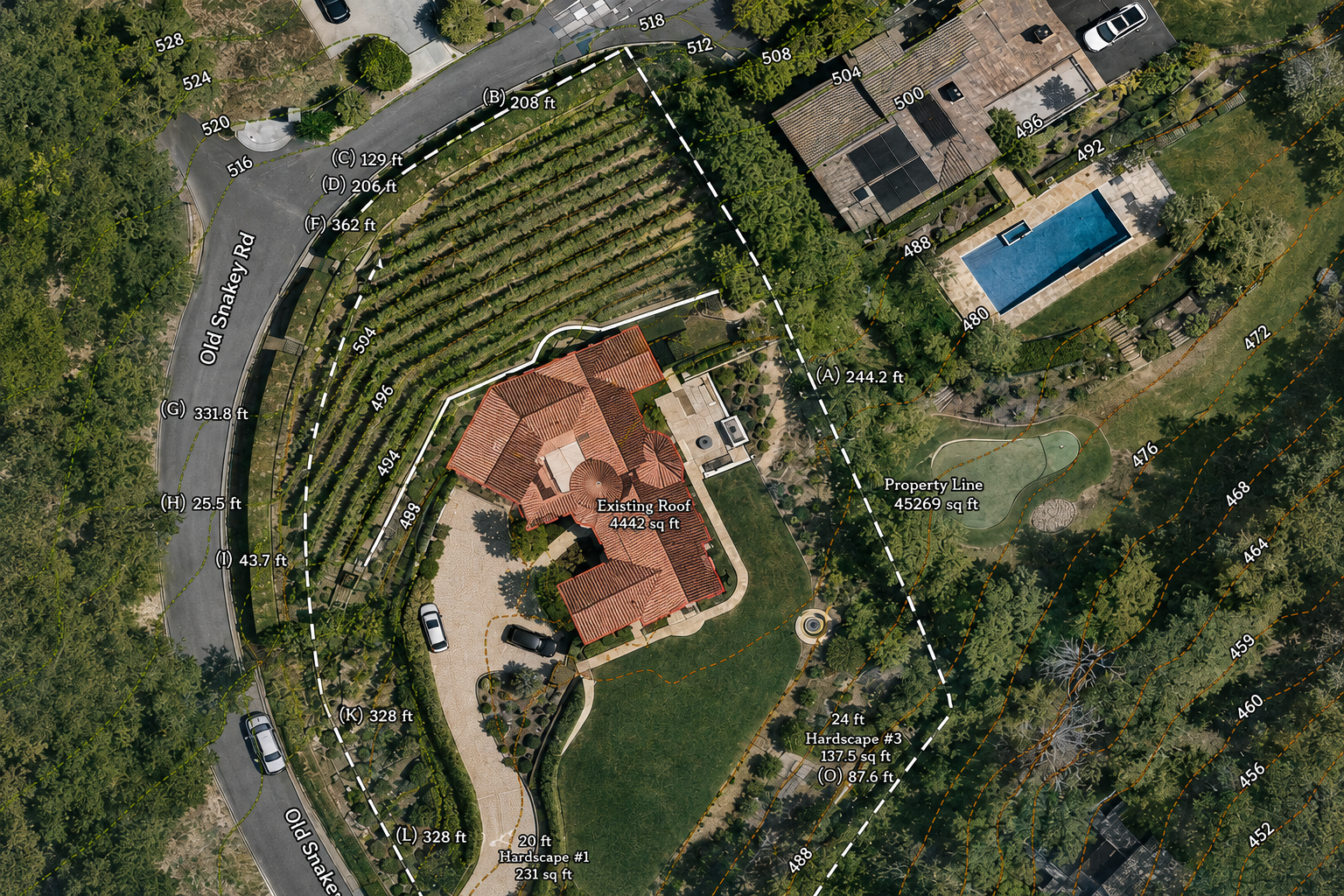
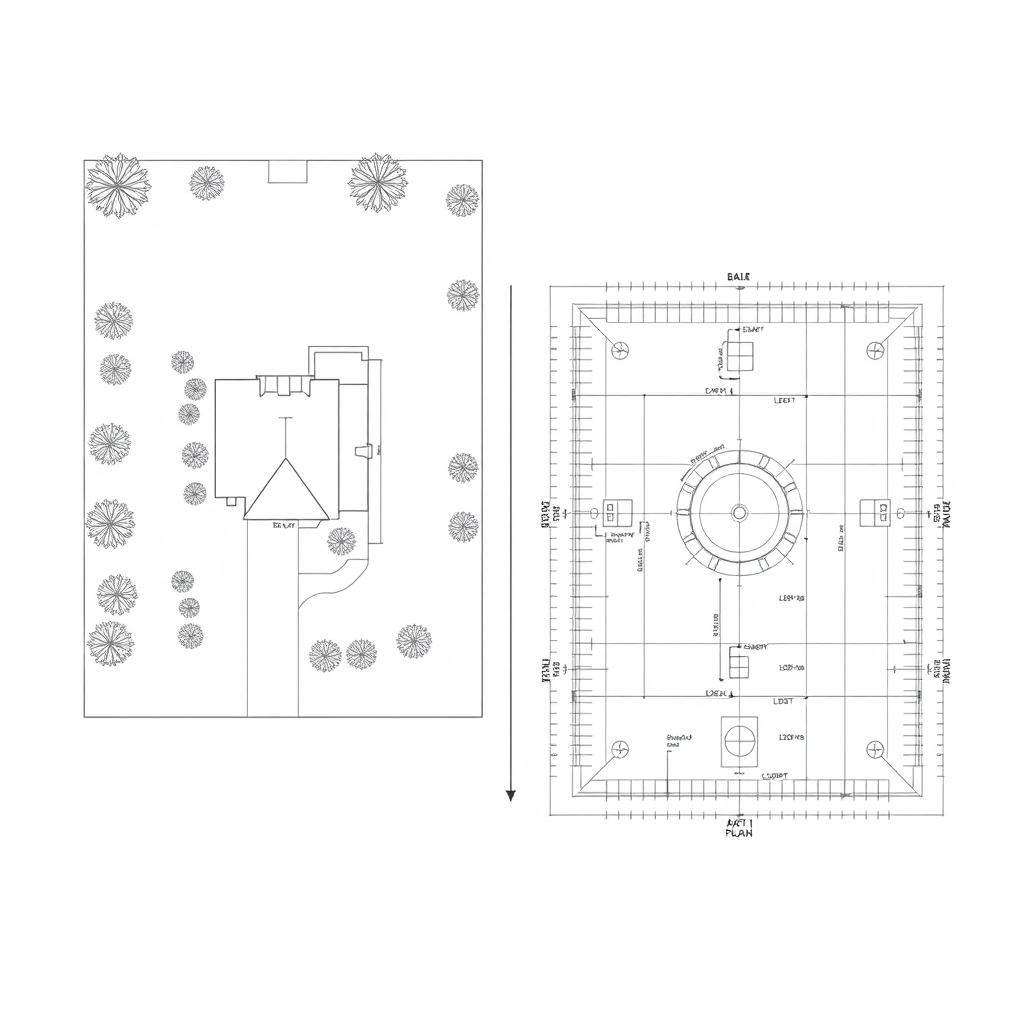
Most ADU permit applications require a site plan showing: lot boundaries and dimensions (derived from the Assessor's Parcel Number (APN)), setbacks to all property lines, existing structure footprints and proposed ADU footprint, utility connections, driveway and parking layout.
InQI generates scaled, data-backed site plans from an address and APN — reflecting actual parcel dimensions from county records. Export to PDF, DXF, or SVG. Pair with Codes.IQ to check local zoning requirements for your specific address.