Mastering Real Estate Feasibility Analysis with Property Feasibility Tools
- Dec 12, 2025
- 4 min read
When stepping into the world of property development, the first step is always the most crucial: understanding whether a project is viable. This is where property feasibility tools come into play. They help us sift through the numbers, the regulations, and the market conditions to reveal the true potential of a site or development idea. Mastering this process can save time, money, and a lot of headaches down the road.
In this post, I’ll walk you through the essentials of conducting a thorough feasibility analysis, share practical tips on using the right tools, and explain how to interpret the results confidently. Whether you’re sketching out a new design, planning a build, or evaluating land for development, these insights will empower you to make smarter decisions.
Why Property Feasibility Tools Are Game Changers
Property feasibility tools are like a compass in the complex terrain of real estate development. They provide a structured way to evaluate a project’s potential by analyzing key factors such as costs, revenues, zoning restrictions, and environmental considerations. Without these tools, you’re navigating blind.
Here’s why they matter:
Accuracy: They help quantify variables that are often overlooked or underestimated.
Speed: Automated calculations and data integration speed up the decision-making process.
Clarity: Visual dashboards and reports make complex data easy to understand.
Risk Reduction: Identifying potential pitfalls early helps avoid costly mistakes.
For example, imagine you’re considering a mixed-use development on a vacant lot. A property feasibility tool can quickly estimate construction costs, forecast rental income, and check compliance with local zoning laws. This snapshot lets you decide if the project is worth pursuing or if adjustments are needed.

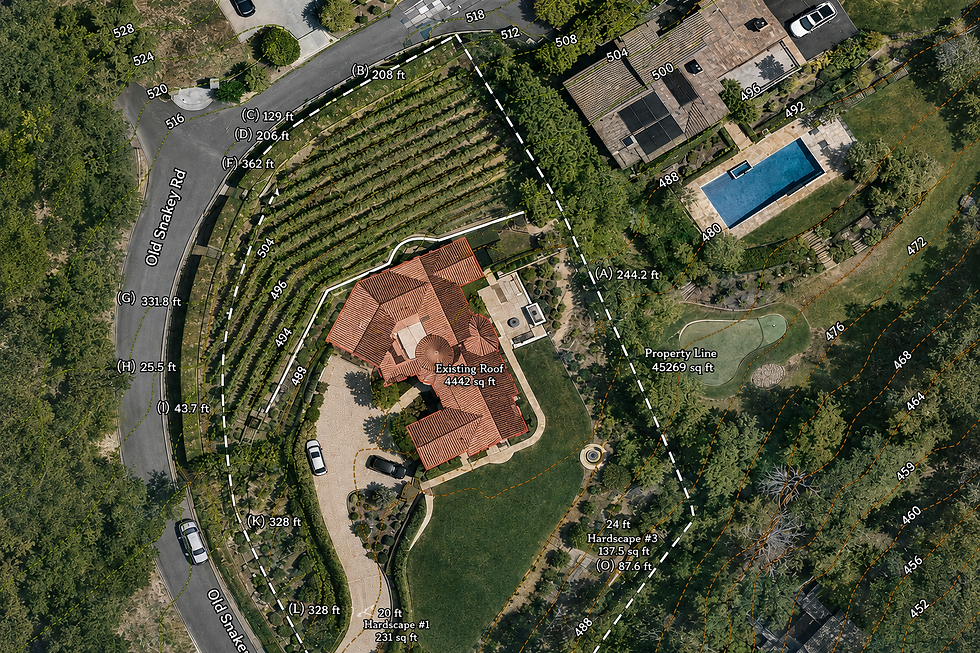
Property feasibility tools provide clear insights into project viability
Key Components of a Successful Feasibility Analysis
A comprehensive feasibility analysis covers several critical areas. Here’s a breakdown of what to focus on:
1. Market Analysis
Understanding the demand and supply dynamics in your target area is essential. Look at:
Current property prices and rental rates
Vacancy rates and absorption trends
Demographic shifts and economic indicators
This data helps you forecast potential income and gauge market appetite for your project type.
2. Site Analysis
Evaluate the physical and legal characteristics of the site:
Size, shape, and topography
Access to utilities and infrastructure
Zoning restrictions and land use regulations
Environmental constraints like flood zones or protected areas
Knowing these details upfront prevents surprises during development.
3. Financial Analysis
Crunch the numbers to estimate:
Acquisition costs
Construction and development expenses
Financing costs and interest rates
Expected revenues from sales or leases
Operating expenses and taxes
Use conservative assumptions to build a realistic financial model.
4. Risk Assessment
Identify potential risks such as:
Market downturns
Regulatory changes
Construction delays or cost overruns
Environmental remediation needs
Develop contingency plans to mitigate these risks.
5. Project Timeline
Map out the development schedule, including:
Permitting and approvals
Design and engineering phases
Construction milestones
Marketing and leasing periods
A clear timeline helps coordinate efforts and manage expectations.
How to Use Property Feasibility Tools Effectively
With so many tools available, it’s important to choose and use them wisely. Here are some tips to get the most out of your property feasibility tools:
Start with Quality Data: Garbage in, garbage out. Ensure your input data is accurate and up-to-date.
Customize Parameters: Tailor assumptions to your specific project and local market conditions.
Run Multiple Scenarios: Test different variables like construction costs, rental rates, or financing terms to see how they impact viability.
Leverage Visualizations: Use charts and graphs to spot trends and communicate findings clearly.
Integrate with Other Software: Connect feasibility tools with design, budgeting, and project management platforms for seamless workflows.
For instance, using an AI-powered platform like InQI.AI can streamline your analysis by combining data-driven insights with intuitive interfaces. This approach not only saves time but also enhances accuracy and creativity.

Using AI-powered property feasibility tools to analyze development plans
Practical Examples of Feasibility Analysis in Action
Let me share a couple of real-world scenarios where mastering feasibility analysis made a difference:
Example 1: Urban Infill Development
A land developer was eyeing a small, irregularly shaped lot in a dense urban neighborhood. Initial excitement was high, but a detailed feasibility analysis revealed:
Zoning limits on building height and density
High construction costs due to site constraints
Moderate rental demand for the proposed unit mix
The analysis suggested a scaled-back design focusing on fewer units with premium finishes. This adjustment improved profitability and reduced risk.
Example 2: Suburban Residential Project
An architect working on a suburban housing development used property feasibility tools to:
Estimate infrastructure upgrade costs
Model different lot sizes and layouts
Forecast sales prices based on market trends
The insights helped optimize the site plan, balancing density with market preferences, and ensuring the project met financial goals.
These examples highlight how a thorough feasibility analysis guides smarter design and development choices.
Embracing Technology to Boost Your Feasibility Analysis
The future of property development lies in harnessing technology. AI and machine learning are transforming how we approach feasibility studies by:
Automating data collection and analysis
Predicting market trends with greater accuracy
Offering real-time scenario testing and optimization
Enhancing collaboration across teams
Platforms like InQI.AI are at the forefront, providing intelligent tools tailored for designers, architects, land developers, and builders. By integrating these solutions into your workflow, you can reduce costs, speed up decision-making, and unlock new creative possibilities.
Taking the Next Step with Confidence
Mastering the art of feasibility analysis is a journey, not a one-time task. It requires curiosity, discipline, and the right tools. By embracing property feasibility tools and applying a structured approach, you’ll gain clarity and confidence in your projects.
Remember, every successful development starts with a solid foundation of knowledge. Use the insights from your analysis to:
Refine your designs
Negotiate better deals
Secure financing with stronger proposals
Manage risks proactively
The path to successful property development is paved with informed decisions. Let your feasibility analysis be the guiding light that leads you there.
I encourage you to explore the latest real estate feasibility analysis platforms and see how they can elevate your projects. With the right mindset and tools, you’re well on your way to turning ideas into thriving realities.