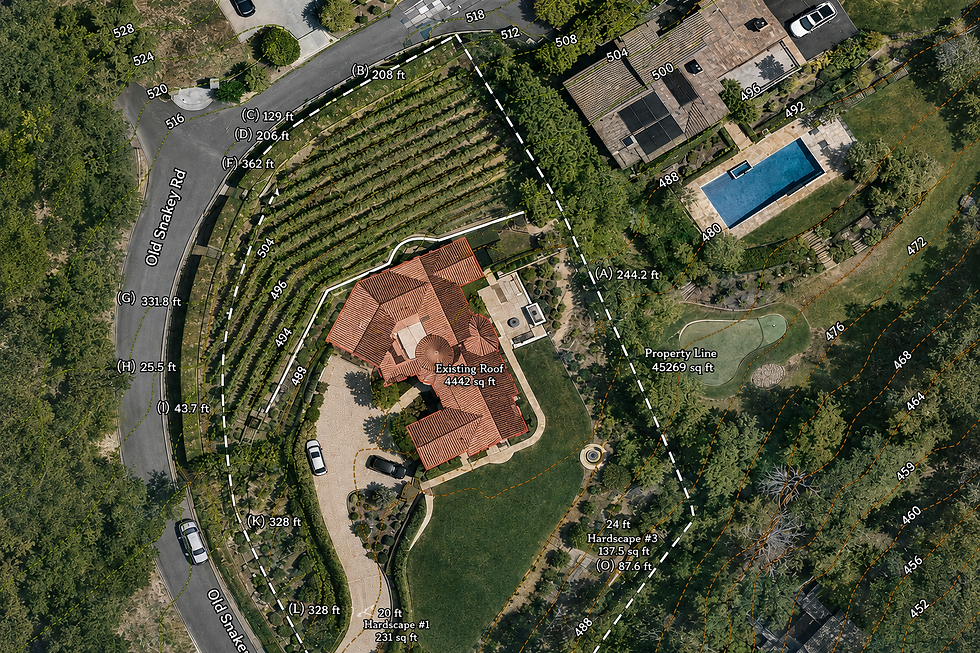
Streamlining Architectural Projects with Architectural Project Solutions
- Dec 8, 2025
- 5 min read
Managing architectural projects can feel like juggling a dozen balls at once. Deadlines, budgets, design revisions, and client communications all demand attention. Without the right tools, it’s easy to get overwhelmed. That’s where architectural project solutions come into play. These tools help organize, automate, and simplify the complex workflows involved in bringing a building from concept to reality.
In this post, I’ll walk you through how modern management tools can transform your architectural projects. You’ll discover practical ways to boost efficiency, improve collaboration, and keep your projects on track. Whether you’re designing a sleek urban office or a cozy family home, these insights will help you work smarter, not harder.
Why Architectural Project Solutions Matter
Architectural projects are inherently complex. They involve multiple stakeholders, evolving designs, and strict regulations. Without a clear system, details slip through the cracks, causing delays and cost overruns. That’s why architectural project solutions are essential.
These solutions provide a centralized platform to:
Track project milestones and deadlines
Manage budgets and resources
Facilitate communication between teams and clients
Store and share design files securely
Automate routine tasks like reporting and scheduling
Imagine having all your project data in one place, accessible anytime, anywhere. This clarity reduces confusion and empowers you to make informed decisions quickly. It’s like having a digital project manager by your side, guiding every step.
Practical Example: Coordinating Design Changes
Consider a scenario where a client requests a last-minute design change. Without a management tool, you might scramble to update drawings, notify contractors, and adjust timelines manually. With the right solution, you can:
Upload the revised design instantly
Alert all relevant team members via automated notifications
Update the project timeline with a few clicks
Track the impact on budget and resources in real time
This streamlined process saves hours of back-and-forth and keeps everyone aligned.

Key Features of Effective Architectural Project Solutions
Not all project management tools are created equal. To truly streamline your workflow, look for solutions that offer these core features:
1. Intuitive Task Management
A clear task list with deadlines and priorities helps keep your team focused. Look for tools that allow you to assign tasks, set dependencies, and track progress visually. Kanban boards or Gantt charts are popular options.
2. Real-Time Collaboration
Design projects thrive on collaboration. Choose platforms that support real-time editing, commenting, and file sharing. This reduces email clutter and ensures everyone works from the latest version.
3. Budget and Resource Tracking
Keeping an eye on costs and resource allocation is crucial. The best tools provide dashboards that show budget status, expenses, and resource availability at a glance.
4. Integration with Design Software
Seamless integration with CAD, BIM, or other design software saves time and reduces errors. This allows you to sync design updates directly into your project plan.
5. Automated Reporting
Regular reports keep stakeholders informed without extra effort. Automated generation and distribution of progress reports, risk assessments, and compliance checks help maintain transparency.
6. Mobile Accessibility
Projects don’t stop when you leave the office. Mobile-friendly solutions let you check updates, approve changes, and communicate on the go.
By choosing a tool with these features, you create a solid foundation for efficient project delivery.
How to Implement Architectural Project Solutions Successfully
Adopting new tools can be daunting, but a thoughtful approach makes all the difference. Here’s a step-by-step guide to get started:
Step 1: Assess Your Needs
Identify pain points in your current workflow. Are deadlines missed? Is communication fragmented? Understanding your challenges helps you select the right solution.
Step 2: Involve Your Team
Get input from everyone who will use the tool. Their feedback ensures the platform fits your unique processes and encourages buy-in.
Step 3: Choose the Right Platform
Evaluate options based on features, ease of use, and integration capabilities. Consider cloud-based solutions for flexibility and scalability.
Step 4: Train and Support
Provide comprehensive training and ongoing support. Encourage your team to explore features and share tips.
Step 5: Start Small and Scale
Begin with a pilot project to test workflows and gather feedback. Gradually expand usage as confidence grows.
Step 6: Monitor and Improve
Regularly review how the tool impacts productivity and project outcomes. Adjust settings and processes to optimize results.
By following these steps, you’ll turn architectural project solutions into a powerful asset rather than a burden.

Leveraging AI for Smarter Architectural Project Management
One of the most exciting developments in project management is the rise of AI-powered tools. Platforms like InQI.AI are designed specifically for the architecture, engineering, and construction industries. They offer intelligent features that go beyond traditional project management.
What AI Brings to the Table
Data-Driven Insights: AI analyzes project data to identify risks, predict delays, and suggest optimizations.
Automated Design Assistance: Some tools can generate design options based on parameters, speeding up the creative process.
Resource Optimization: AI helps allocate materials, labor, and equipment efficiently, reducing waste and costs.
Enhanced Collaboration: Natural language processing enables smarter communication and document management.
Real-World Impact
Imagine a project where AI flags a potential scheduling conflict before it happens. Or where it recommends alternative materials that cut costs without compromising quality. These capabilities turn guesswork into precision.
By integrating AI into your workflow, you gain a competitive edge and free up time to focus on what matters most - creativity and client satisfaction.
Tips for Maximizing the Benefits of Architectural Project Solutions
To get the most out of your management tools, keep these best practices in mind:
Keep Your Data Organized: Regularly update project information and archive completed tasks to maintain clarity.
Set Clear Roles and Responsibilities: Define who owns each task and decision to avoid confusion.
Use Templates and Checklists: Standardize processes to save time and ensure consistency.
Encourage Open Communication: Foster a culture where team members feel comfortable sharing updates and concerns.
Review and Reflect: After each project, analyze what worked well and what could improve.
By embedding these habits, your architectural project solutions become a catalyst for continuous improvement.
Embracing the Future of Architectural Project Management
The construction and design industries are evolving rapidly. Staying ahead means embracing tools that enhance efficiency and creativity. Architectural project solutions are no longer optional - they are essential.
By adopting modern management platforms, you can:
Reduce errors and rework
Improve client satisfaction with transparent updates
Accelerate project delivery
Control costs more effectively
Foster innovation through better collaboration
If you want to explore how intelligent tools can transform your workflow, check out InQI.AI’s architectural project management platform. It’s designed to help professionals like you streamline processes and unlock new levels of productivity.
The future of architecture is digital, data-driven, and dynamic. With the right solutions, you’ll be ready to build it.
Thank you for joining me on this journey through architectural project solutions. I hope these insights inspire you to take your projects to the next level. Remember, the right tools don’t just make work easier - they make great design possible.